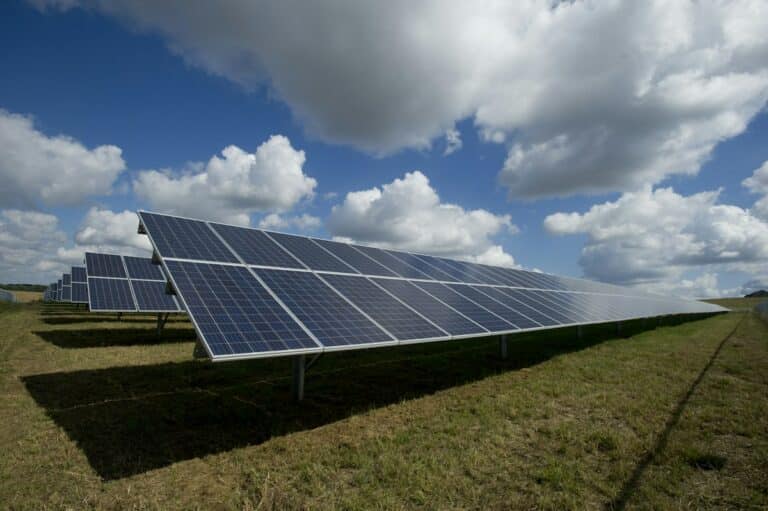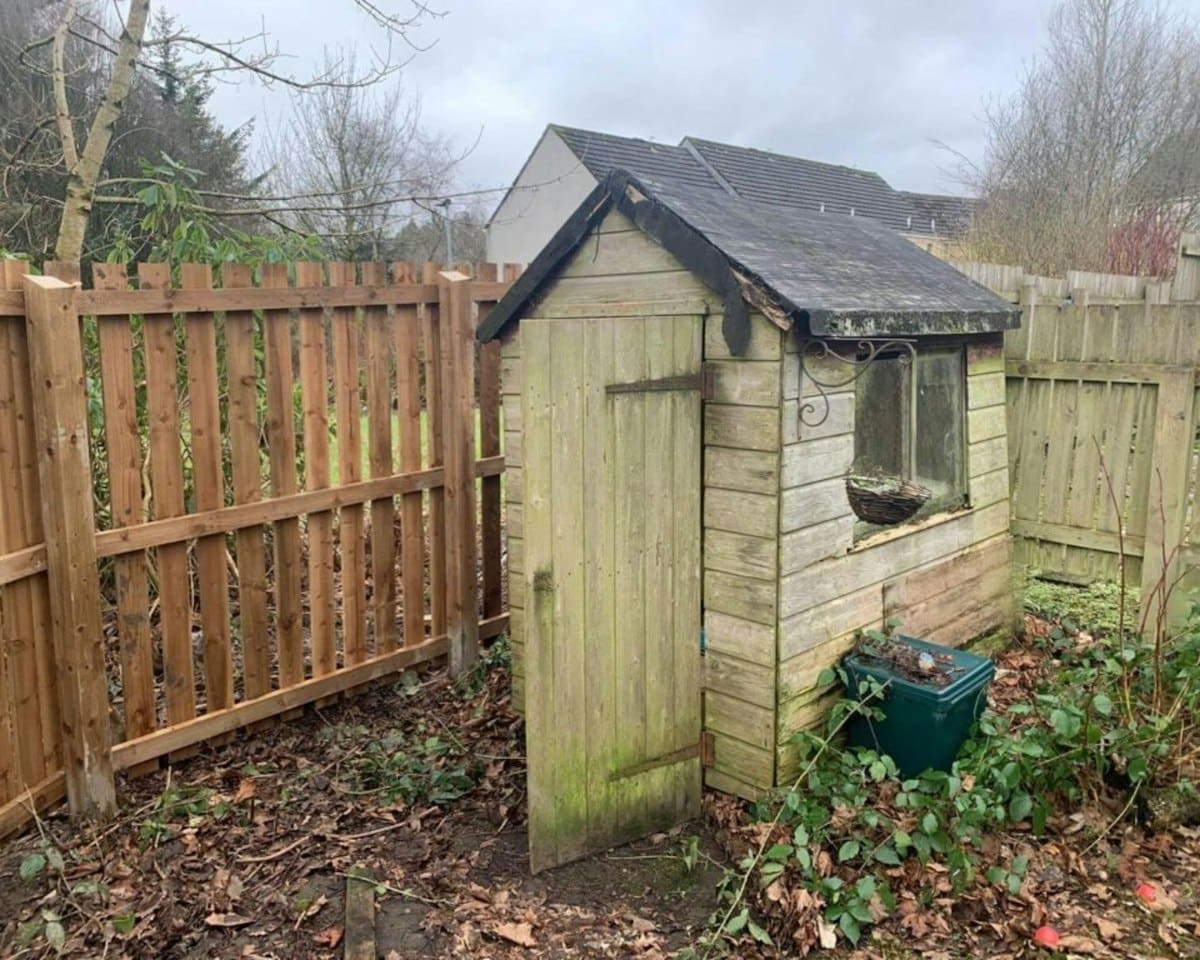
A shed solar panel kit gives you free power for lights, sockets and tools in your shed without digging a cable trench from the house. Most kits run on 12V, store power in a battery and can be fitted in an afternoon.
This guide explains what a kit can run, what comes in the box, how to pick the right size, how to fit it, and the UK rules to check first. If you already have solar panels on your house, a shed system is a cheap way to add power where the mains doesn’t reach.
What can a shed solar panel run?
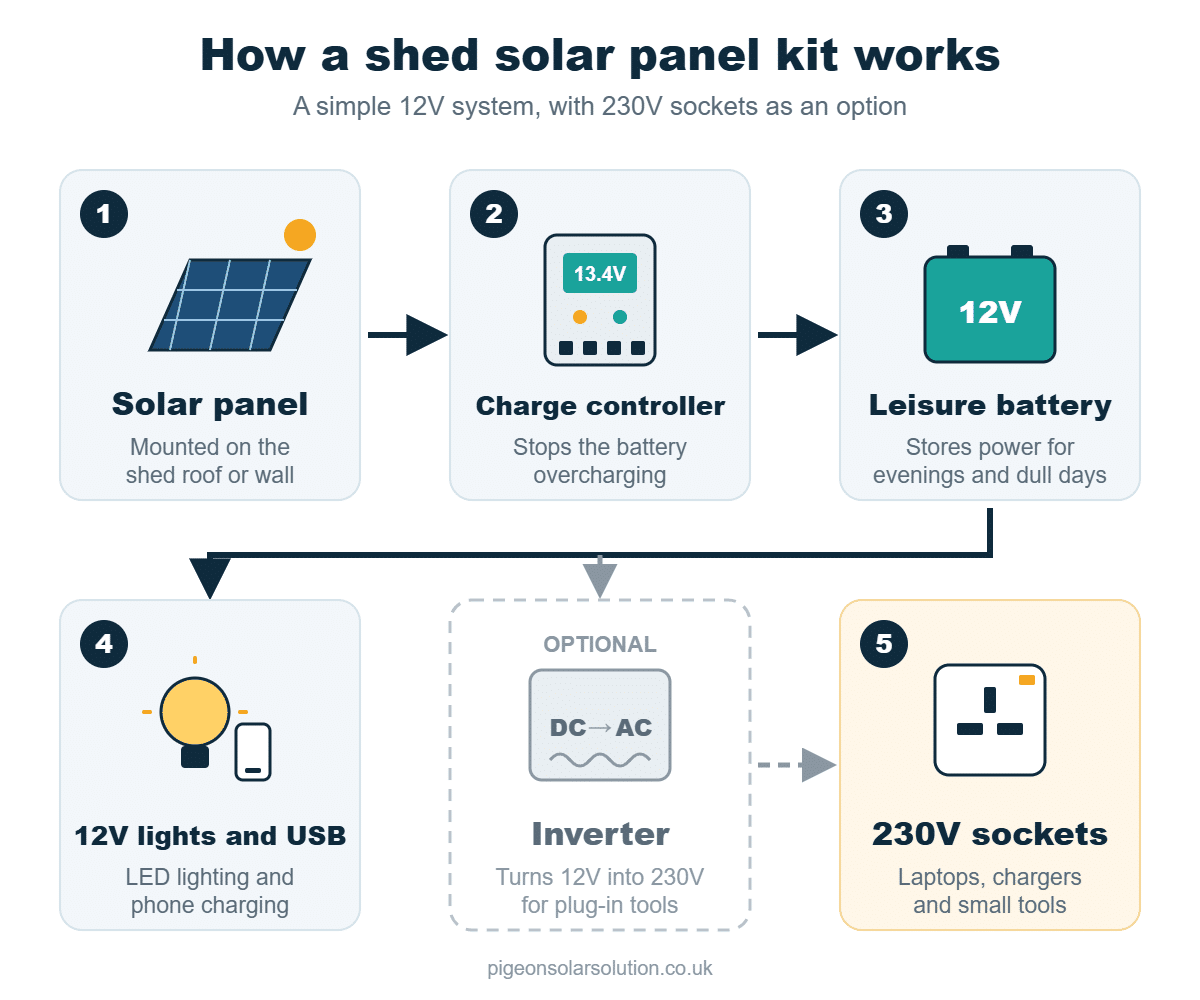
A complete kit has five parts: a panel, a charge controller, a battery, cables with fuses, and mounts. Add an inverter only if you need normal 230V sockets. Buying a matched kit is the easiest route; Sunstore’s shed solar kits range from 100W to 650W and include the panels, charge controller, DC isolator, battery, fuses and cables.
Product links are affiliate links: we may earn a small commission at no extra cost to you.
| Part | What it does | Example product |
|---|---|---|
| Complete kit, small | Lights, phone and tool charging | 100W 12V 0.8kWh Professional Off-Grid Solar Kit, from £474.39 |
| Complete kit, medium | Workshop or garden office | 200W 12V 1.2kWh Professional Off-Grid Solar Kit, from £826.25 |
| Complete kit, large | Year-round use, larger loads | 475W 12V 1.6kWh Professional Off-Grid Solar Kit, from £923.01 |
| Charge controller | Stops the battery overcharging; MPPT types harvest more in dull weather | Victron SmartSolar MPPT 100/20, £73.69 |
| Inverter | Turns 12V into 230V for plug-in appliances | Victron Phoenix 12V 500W, £129.17 |
| Mounts | Fixes the panel to the shed roof or wall | Solar Panel Z Mounts 38mm (set of 4), £4.19; Wall Bracket Mount, £12.06 |
Prices as of November 2026 and vary by kit option; check the product page for the current price.
How big a kit do you need?
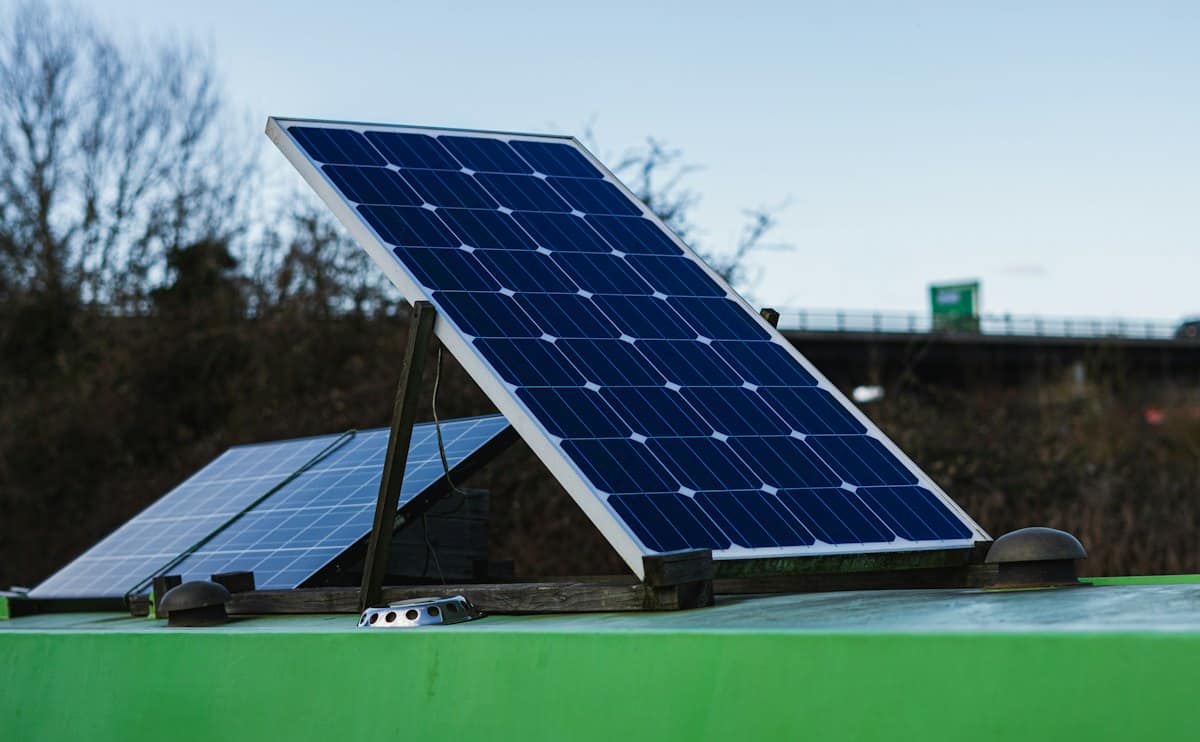
Size the battery to your daily use, then size the panel to refill it. Most hobby sheds suit a 100W–200W kit; a garden office or workshop needs 400W or more.
- Work out daily use. Example: 4 LED lights (40W) for 3 hours = 120Wh, plus a tool charger (100W) for 2 hours = 200Wh. Total: 320Wh a day.
- Pick the battery. Allow about double your daily use so the battery isn’t drained flat and you have a cloudy-day buffer. 320Wh × 2 = about 640Wh, so a 0.8kWh kit fits.
- Pick the panel. In the UK, plan on a panel producing roughly 3–4 times its rating in watt-hours on a good summer day, and much less in winter. A 100W panel (300–400Wh) covers this example from spring to autumn; choose 200W if you’ll use the shed all year.
- Add an inverter only if needed. Pick one rated above the biggest appliance you’ll plug in.
These figures are rough guides; output depends on your location, the panel’s angle and shading.
How to fit a solar panel on your shed
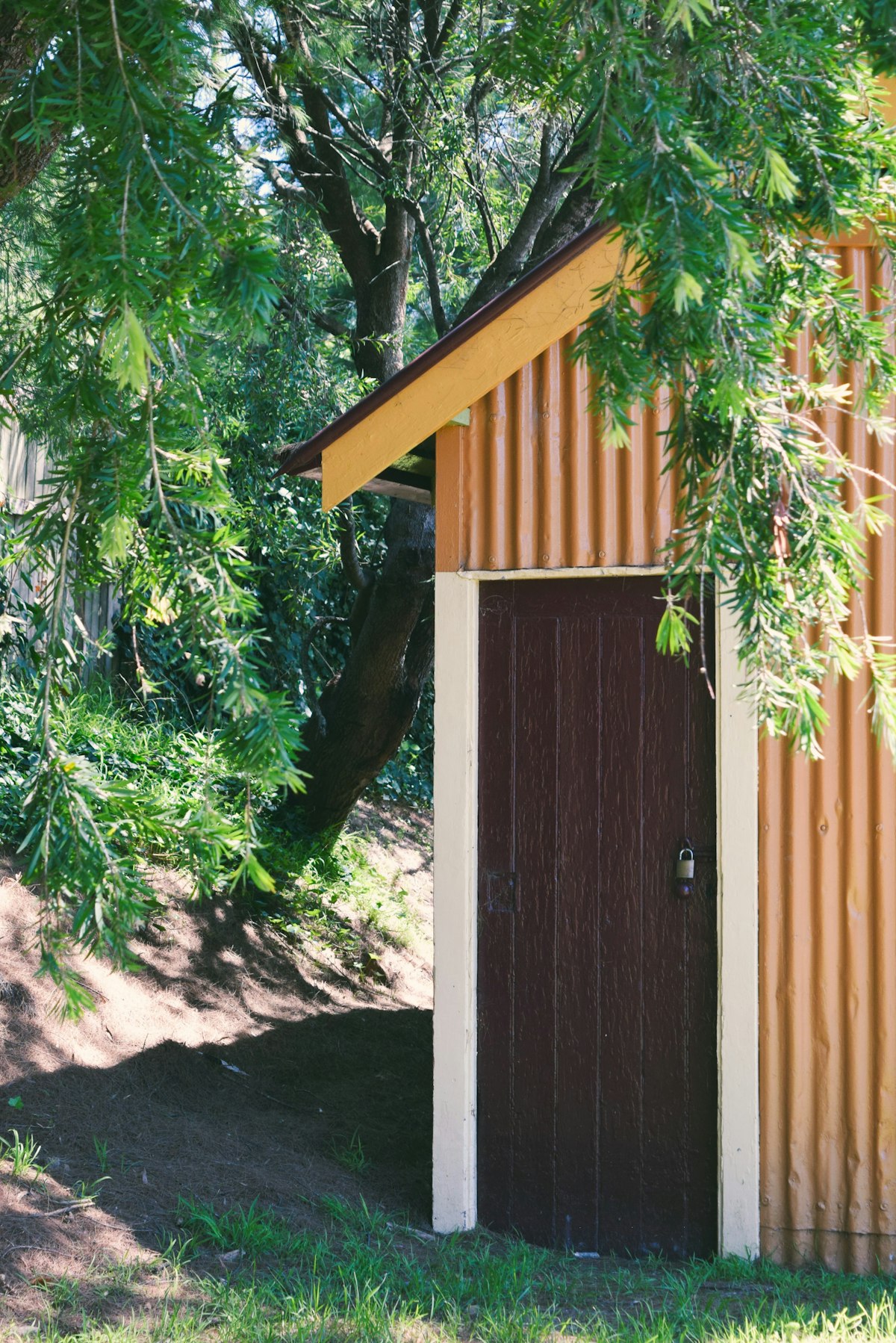
A 12V kit is a manageable DIY job if your shed roof is sound. Follow the kit’s own manual; these are the main steps.
- Check the roof. Make sure it can take the panel’s weight and is free of rot. Replace worn felt first.
- Pick the sunniest side. In the UK, a south-facing roof with no shade from trees or the house works best. East or west still produces, just less.
- Fix the mounts. Use Z mounts on a roof or a wall bracket on a side wall. Seal every screw hole.
- Run the cable inside. Use a cable entry gland so rain can’t get in.
- Connect in the right order. Battery to charge controller first, then the panel to the controller. Fit the fuses supplied with the kit.
- Add the inverter or 12V lights. Connect them to the battery or the controller’s load output, as the manual says.
- Test it. Check the controller shows the battery charging on a bright day.
If you want 230V sockets wired into the shed’s walls, or to connect to the house supply, use a registered electrician.
Do you need planning permission or an electrician?
In England, most shed solar panels don’t need planning permission. They fall under the same permitted development rights as panels on your house (Part 14, Class A), as long as:
- the panel sticks out no more than 0.2m from a pitched roof slope
- it’s no higher than the highest part of the shed roof
- your house is not a listed building
- in a conservation area or World Heritage Site, it isn’t on a wall or roof that fronts a road
- it’s placed, as far as practical, to limit its effect on how things look and on neighbours
In Wales the rules are similar but separate; check the Welsh Government guidance. If in doubt, ask your council.
Electrics. A self-contained 12V kit isn’t connected to the mains. But adding a new 230V circuit from your house to the shed is notifiable work under Part P of the Building Regulations in England, and in Wales outdoor electrical work counts as a special location. Use a registered electrician for any mains work.
Keep birds off your panels
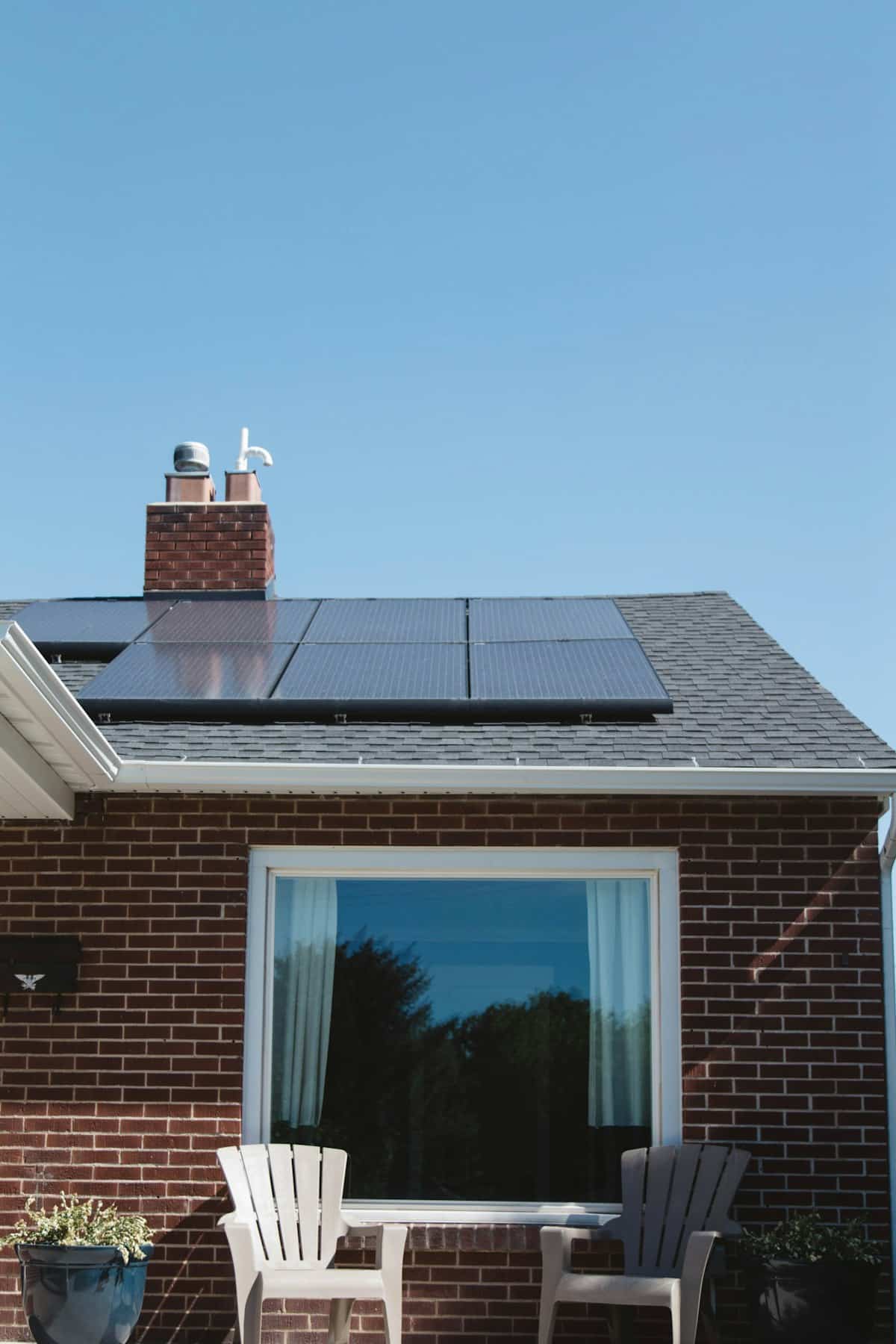
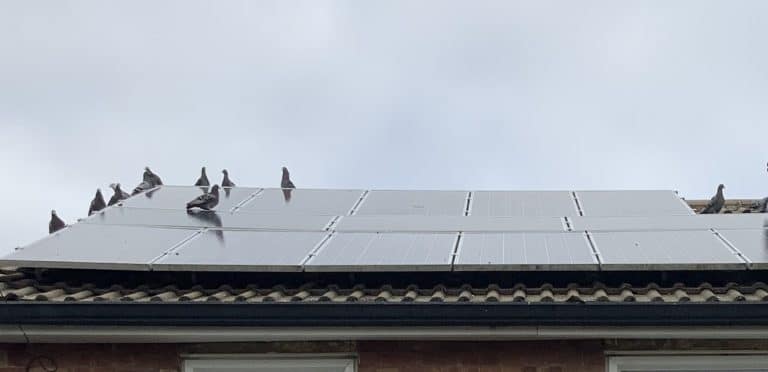
Any gap under a solar panel is a sheltered spot for pigeons, and droppings on the glass cut output. On a shed, keep the gap between panel and roof small and clear away leaves and debris that birds use for nests.
The bigger risk is usually the panels on your house roof. Pigeons nest in the gap underneath, where their droppings and nesting material can damage cabling and block drainage. If you’re seeing pigeons around your roof, our solar panel bird proofing service fits a mesh guard around the panel edge to keep them out for good. See how much solar panel bird proofing costs.
FAQs
How much does a shed solar panel kit cost?
A complete 100W kit with battery starts at around £475 at Sunstore, and a 200W kit from about £826. Larger kits for year-round use cost £900 or more.
Can I install a shed solar kit myself?
Yes, a self-contained 12V kit is a common DIY job. Use a registered electrician for any 230V wiring or a connection to your house supply.
Do I need planning permission for solar panels on a shed?
Usually not in England, if the panel stays within 0.2m of the roof slope and below the roof’s highest point, and your house isn’t listed. Check with your council in a conservation area.
Will a shed solar panel work in winter?
Yes, but output drops sharply in the short, dull days. Choose a larger panel and battery if you need power all year.
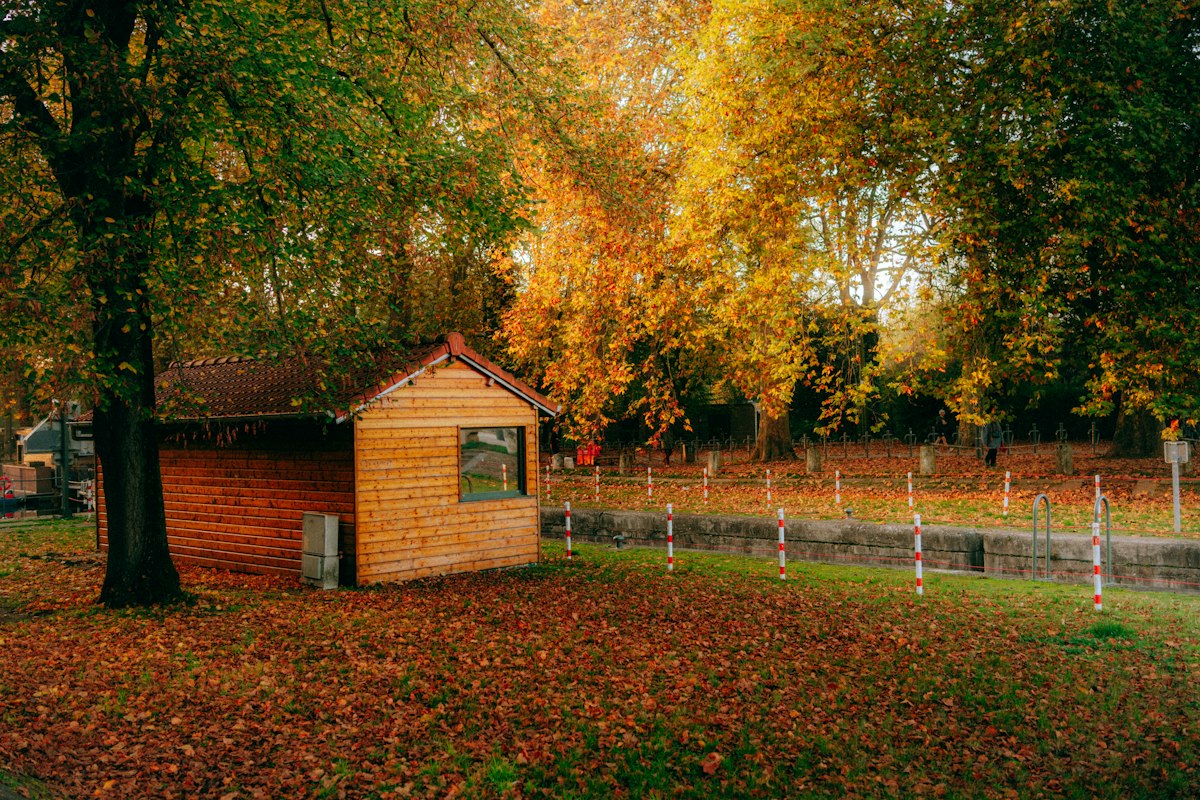
What size solar panel do I need for shed lights?
A 100W kit is plenty for LED lighting and phone or tool charging.